
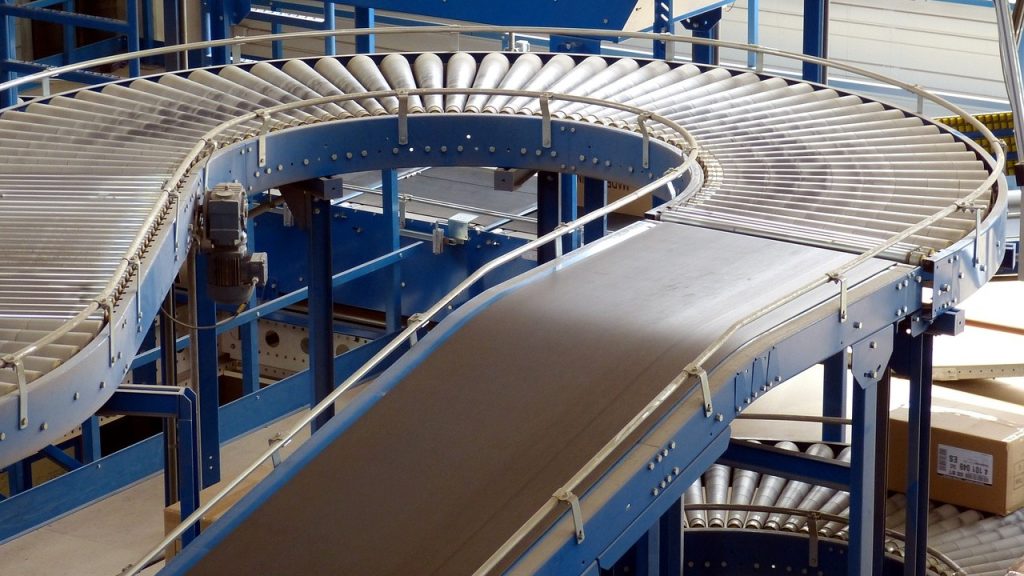
Efficient management of material transport in an industrial plant is essential to maintain productivity and profitability. Choosing the right conveying equipment is a critical factor in this process. In this blog post, we will explore how to select the ideal conveying equipment for your industrial plant, taking into account key factors.
1. Assess your Transportation Needs
Start by understanding your plant’s specific transportation needs. Consider the type of materials to be transported, the distances involved, production rates and handling requirements. This initial assessment will help you determine what type of transportation equipment is most appropriate.
Type of Transportation Equipment
There are different types of conveying equipment, such as belt conveyors, roller conveyors, bucket elevators, screw conveyors, among others. Each has its own advantages and disadvantages. Choose the type of equipment that best suits your needs and processes.
3. Load Capacity and Speed
Make sure the conveying equipment you choose has the right load capacity for your materials and processes. Also consider the speed required to meet your production goals. Capacity and speed must be compatible with your needs.
4. Energy Efficiency and Operating Costs
Evaluate the energy efficiency of transportation equipment. Efficient conveying equipment can save energy and reduce long-term operating costs. Consider factors such as power requirements and maintenance costs.
5. Space and Plant Design
The space available in your plant and the design of the facilities are also determining factors. Make sure that the conveying equipment fits the layout of your plant and can be seamlessly integrated into the available space.
6. Safety and Regulations
Safety is paramount in any industrial plant. Make sure that the conveying equipment complies with all applicable safety regulations and that additional safety measures have been implemented where necessary.
7. Maintenance and Reliability
Regular maintenance is essential to ensure the reliability of conveying equipment. Investigate ease of maintenance and availability of spare parts. Equipment reliability is crucial to avoid interruptions in production.
8. Budget and Total Cost of Ownership
Keep your budget in mind and consider the total cost of ownership, which includes not only the initial investment, but also operating and maintenance costs over time. Choose equipment that offers the right balance between cost and performance.
Choosing the ideal conveying equipment for your industrial plant requires a careful approach and consideration of multiple factors. By making informed decisions tailored to your needs, you can optimize material handling efficiency and improve your plant’s productivity.